All electronic products use some sort of power. A portable
electronic device like your cellular phone, use a battery to get its power. This might seem an amazing and indeed it is, but unfortunately
batteries have evolved very little over the years. It is still the
weakest part of modern electronics. Batteries use a chemical reaction that
causes electrons to flow thus creating power. For example take some salt water
(common salt or table salt and tap water). Into this place a carbon rod (from an
old AA battery, just remove it by taking the battery apart) and a zinc metal.
(zinc screws, galvanised nails). To this connect a pair of wires (1 on each
electrode) and insert them in the water, if you were to put a volt meter to
this you will get 1.23 Volts. You have just created a simple battery.
The problem with batteries is that they are inefficient;
they are around 43% efficient at most. Consider your car battery. It takes 13.5
volts for a period of 12 hours to fully charge. Yet at discharge rate of 12
volts it will last around 3 – 4 hours. With constant charging and discharging
it lowers the lifetime and capacity of the battery and hence will need to be
replaced in a few years.
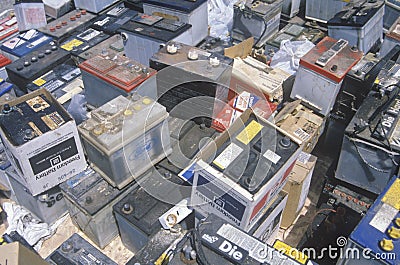
Currently alternate energy forms depend on
batteries as storage device. It stores the energy in them for later use by the
consumer. This is what makes alternate energy expensive and these batteries use
chemicals that are not environmentally friendly and thus it does not share the
GREEN CHEMISTRY.
AECTT are offering a solution to this in the form of a fuel cell. The fuel cell acts like a battery and a generator at the same time. Our cells are built with a graphine Nano tubular mesh in the form of thin wafers. These cells when filled with water breaks the molecular bonds of the hydrogen and oxygen separating them into gases. The hydrogen as it passes through the graphine causes a flow of electrons in the tubular generating electricity. Once it’s not in use the hydrogen recombines with the oxygen in a stable state of H2O otherwise known as water. For more information on this product please feel free to contact us.
AECTT are offering a solution to this in the form of a fuel cell. The fuel cell acts like a battery and a generator at the same time. Our cells are built with a graphine Nano tubular mesh in the form of thin wafers. These cells when filled with water breaks the molecular bonds of the hydrogen and oxygen separating them into gases. The hydrogen as it passes through the graphine causes a flow of electrons in the tubular generating electricity. Once it’s not in use the hydrogen recombines with the oxygen in a stable state of H2O otherwise known as water. For more information on this product please feel free to contact us.

No comments:
Post a Comment